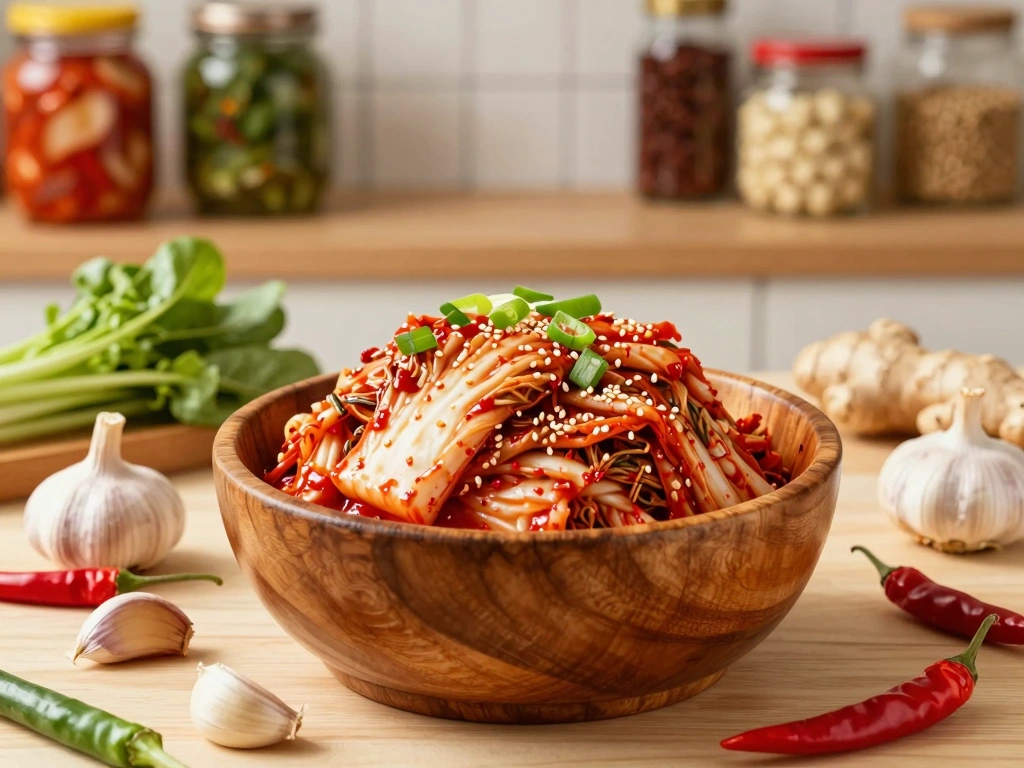
Understanding the Ingredients for Traditional Kimchi
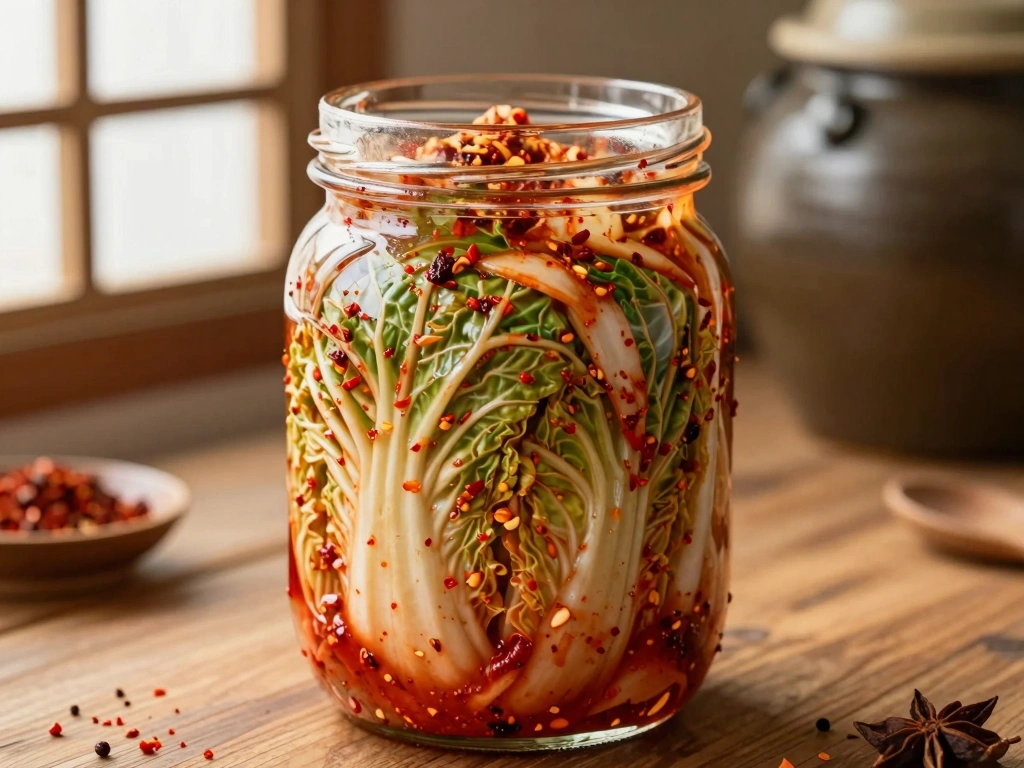
Kimchi is a traditional Korean dish known for its complex flavors and probiotic benefits. At its core, kimchi is a fermented blend of vegetables, spices, and seasonings. To create authentic kimchi at home, understanding the right ingredients is essential. Here, we will discuss the key components that contribute to the unique taste and texture of traditional kimchi.
Essential Vegetables for Kimchi
The heart of any kimchi recipe lies in the choice of vegetables. The most common vegetable used in traditional kimchi is Napa cabbage (also known as Chinese cabbage). This vegetable provides the base for many types of kimchi due to its crisp texture and ability to absorb flavors during fermentation.
- Napa Cabbage: The primary ingredient in most kimchi recipes, it contributes a mild sweetness and crunch.
- Radish: Korean radish (mu) is often added for its crunchy texture and peppery flavor, which balances the richness of the cabbage.
- Green Onions: These add a fresh, aromatic element to the mix.
- Garlic and Ginger: Essential for depth of flavor, these ingredients provide pungency and warmth.
Fermentation Agents: Salt and Sugar
Fermentation requires specific agents to ensure that the vegetables not only ferment properly but also develop the rich flavors associated with kimchi.
- Salt: Coarse sea salt or kosher salt is commonly used for brining the vegetables. It's crucial for drawing out moisture and creating an environment conducive to fermentation. Aim for a salt concentration of about 2-5% of the total weight of the vegetables.
- Sugar: While not always necessary, a small amount of sugar (such as cane sugar or rice sugar) can be added to promote fermentation and balance the flavors of the kimchi. About 1-2 teaspoons per head of cabbage can suffice.
Flavor Enhancers: Spices and Aromatics
To achieve the signature taste of kimchi, a variety of spices and aromatic ingredients are integrated into the recipe. Here are some staple components:
- Korean Red Pepper Flakes (Gochugaru): These flakes give kimchi its signature red color and heat. Use about 1/4 to 1/2 cup depending on your spice tolerance.
- Fish Sauce: This adds umami depth to the flavor profile. Use about 2-3 tablespoons for a traditional taste, or substitute with vegan options if desired.
- Sesame Seeds: Sprinkled on top before serving, they add a nutty flavor.
Traditional Kimchi Fermentation Process
Now that we have an understanding of the ingredients, let's delve into the traditional kimchi fermentation process, which involves several key steps.
Preparing the Vegetables: Washing and Cutting
The first step involves washing and cutting the vegetables to prepare them for fermentation.
- Washing: Thoroughly wash the Napa cabbage and radishes under cold water to remove any dirt or contaminants.
- Cutting: For Napa cabbage, cut it into quarters and then into bite-sized pieces. Radishes should be cut into thin matchsticks or cubes.
- Brining: Dissolve the salt in water to create a brine solution and submerge the vegetables. Allow them to soak for 1-2 hours, turning occasionally to ensure even salting.
Making the Kimchi Paste: Mixing Ingredients
Once the vegetables have been brined, it’s time to prepare the kimchi paste.
- Mixing: In a large bowl, combine the gochugaru, fish sauce, sugar, minced garlic, and grated ginger. You can adjust the quantities based on your taste preferences.
- Consistency: Add a small amount of water to the mixture to create a paste-like consistency that can easily coat the vegetables.
Layering and Packing: Techniques for Fermentation
With the paste ready, it’s time to combine it with the prepared vegetables.
- Coating: In a large bowl, mix the brined vegetables with the kimchi paste, making sure to wear gloves to protect your hands from the spice.
- Packing: Pack the mixture tightly into your fermentation vessel, leaving some space at the top to allow for expansion during fermentation.
Choosing the Right Fermentation Vessel
The vessel in which you ferment your kimchi is crucial for achieving the right fermentation environment.
Traditional Containers: Earthenware vs. Glass
Historically, kimchi was fermented in earthenware pots called "onggi." However, modern options include glass jars, which are widely available and easy to use.
- Onggi: These traditional pots allow for airflow and help maintain a stable temperature, making them ideal for fermentation.
- Glass Jars: Mason jars or other glass containers are practical for home use. They allow you to monitor the fermentation process and are easy to clean.
Sealing Techniques: Ensuring Proper Fermentation
Proper sealing is essential to control the fermentation environment and prevent contamination.
- Loose Lid: If using a glass jar, place the lid loosely on top to allow gases to escape during fermentation.
- Covering: For earthenware pots, cover with a cloth or lid that is not airtight to allow for airflow while preventing debris from entering.
Maintaining Temperature and Environment
Fermentation thrives in a cool, dark environment. Ideally, the temperature should be maintained between 60°F and 75°F (15°C - 24°C).
- Location: Store your fermentation vessel in a pantry or a cool kitchen corner away from direct sunlight.
- Monitoring: Check the temperature regularly, and if it’s too warm, consider moving it to a cooler area.
Monitoring the Fermentation Progress
As your kimchi ferments, monitoring its progress is crucial to achieving the desired flavor and texture.
Signs of Proper Fermentation
After about 2-5 days, you should start noticing changes in your kimchi:
- Bubbles: The formation of bubbles within the jar indicates active fermentation.
- Aroma: A tangy, slightly sour smell will develop, signifying that lactic acid bacteria are at work.
- Texture: The vegetables should become softer, but still retain some crunch.
Adjusting Fermentation Time and Conditions
Fermentation time can vary based on temperature and personal preference. If the kimchi tastes too mild, allow it to ferment longer. Conversely, if it becomes overly sour, you can refrigerate it to slow down the process.
Tasting and Evaluating Flavor Development
Regularly taste your kimchi during the fermentation process to assess its flavor. This hands-on approach will help you understand the impact of time and temperature on the final product.
- Initial Tasting: After 2 days, taste a small amount to gauge the flavor. If it's too salty, you may need to adjust your salt levels in future batches.
- Final Tasting: By day 5-7, your kimchi should have a well-rounded flavor, combining the sweetness of the vegetables, the heat from the gochugaru, and the umami from the fish sauce.
Storing and Enjoying Your Homemade Kimchi
Once your kimchi has reached the desired level of fermentation, it's time to store it and enjoy the fruits of your labor.
Best Practices for Storage After Fermentation
After fermentation, proper storage is key to maintaining the quality of your kimchi.
- Refrigeration: Transfer your kimchi to the refrigerator to slow down fermentation. It can last for several months when stored properly.
- Airtight Containers: Use airtight glass jars to keep out air and moisture, which can spoil the kimchi.
Incorporating Kimchi into Meals: Traditional Dishes
Kimchi is incredibly versatile and can be enjoyed in various dishes. Here are some traditional ways to incorporate kimchi into your meals:
- Kimchi Fried Rice: Stir-fry cooked rice with chopped kimchi, vegetables, and a fried egg for a quick and flavorful meal.
- Kimchi Stew (Kimchi Jjigae): Simmer kimchi with tofu, pork, and broth for a hearty stew.
- Kimchi Pancakes (Kimchi Jeon): Mix chopped kimchi with flour and water to create a savory pancake that is crispy and satisfying.
Health Benefits of Homemade Fermented Kimchi
Beyond its delicious taste, kimchi offers numerous health benefits:
- Probiotics: The fermentation process creates beneficial bacteria that promote gut health.
- Vitamins and Minerals: Kimchi is packed with vitamins A, B, and C, as well as antioxidants that help reduce inflammation.
- Low Calorie: Kimchi is low in calories but high in flavor, making it an excellent addition to a balanced diet.
In conclusion, fermenting kimchi at home using traditional methods is a rewarding process that allows you to enjoy a beloved dish with authentic flavors. By understanding the ingredients, mastering the fermentation process, and knowing how to store and enjoy your kimchi, you can create a delicious and healthful addition to your meals. So gather your ingredients, follow these steps, and embark on your kimchi-making journey!